
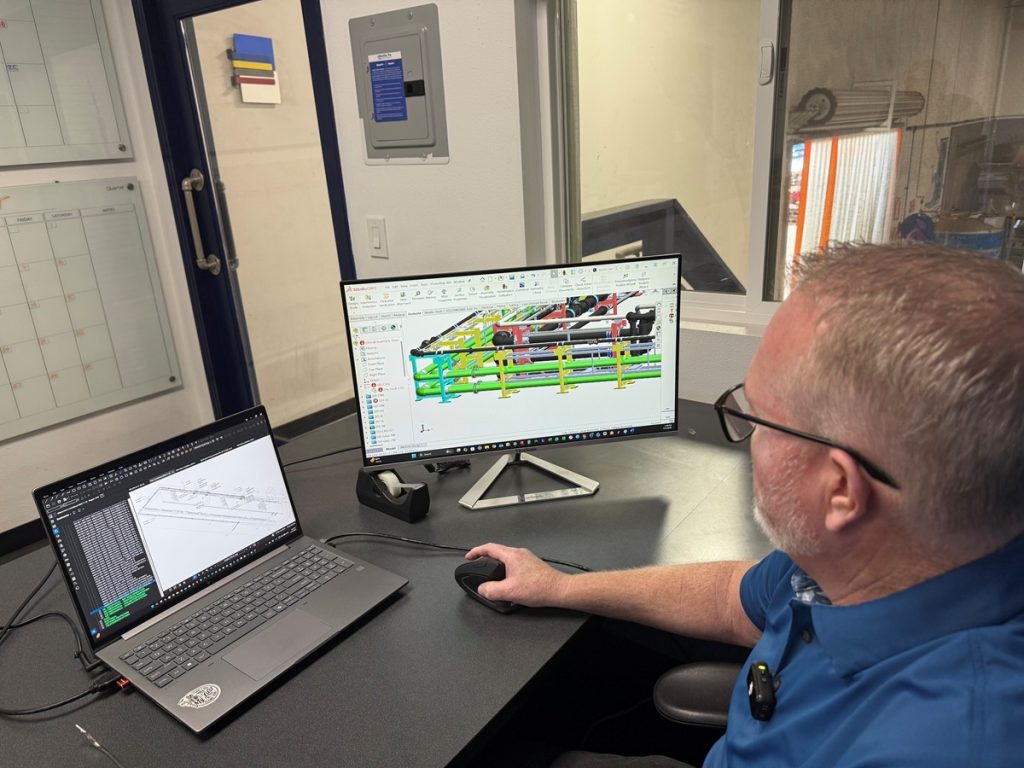
How BIM Modeling Helps Data Center Projects Reduce Costs and Accelerate Construction
The Cheapest Construction Problem Is the One You Never Build
Mission-critical data centers are becoming larger, denser, and more complex every year. Mechanical, electrical, plumbing, structural, fire protection, and controls systems all compete for the same limited space.
On a traditional project, many conflicts aren’t discovered until crews are standing in the mechanical room with tools in their hands. That’s expensive.
Building Information Modeling (BIM) changes that. Instead of finding problems during construction, BIM allows project teams to identify and solve them digitally, before a single pipe is installed.
For owners, engineers, and contractors, that means fewer surprises, lower costs, and faster project delivery.
BIM Is More Than a 3D Model
Many people think BIM is simply a three-dimensional drawing. In reality, BIM is a collaborative engineering process that creates a digital model of the project, allowing every discipline to coordinate before construction begins.
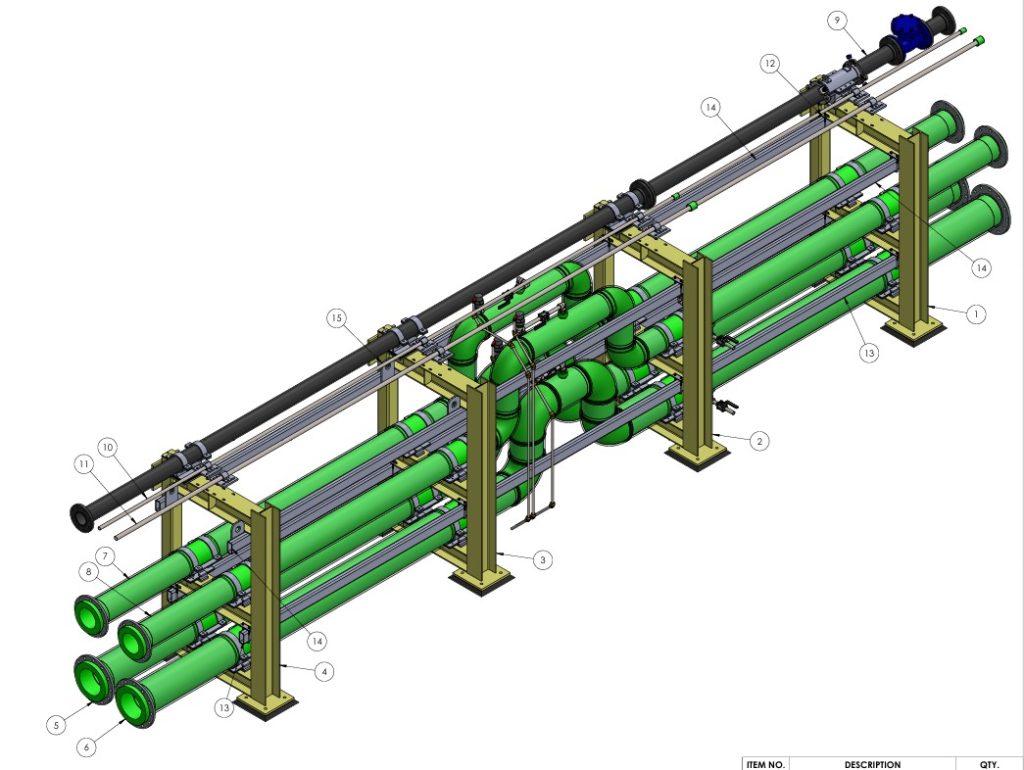
A BIM model can include:
- Cooling water piping
- Prefabricated cooling skids
- Pumps
- Valves
- Structural steel
- Electrical conduit
- Cable trays
- HVAC systems
- Building architecture
- Equipment access and maintenance clearances
Because every system is modeled together, conflicts can be resolved long before crews arrive onsite.
Six Ways BIM Saves Time and Money
1. Eliminate Costly Field Conflicts
One of the biggest causes of construction delays is discovering that two systems occupy the same space. Examples include:
- Pipe running through structural steel
- Valves that cannot be serviced
- Pumps without maintenance clearance
- Cable trays blocking piping
- Equipment doors that cannot fully open
BIM identifies these conflicts before construction begins, allowing engineers to solve problems digitally instead of in the field.
2. Reduce Change Orders
Late design changes are expensive. Every field modification increases labor, material costs, and schedule risk. By coordinating systems during design, BIM helps reduce:
- Rework
- Material waste
- Design revisions
- Installation delays
- Contractor claims
Fewer surprises translate directly into lower project costs.
3. Accelerate Prefabrication
BIM and prefabrication work hand in hand. Accurate 3D models provide the detailed dimensions needed to manufacture prefabricated cooling water skids and piping assemblies before they arrive onsite.
Because components are designed to fit precisely, contractors spend less time making field adjustments. The result is faster installation and more predictable schedules.
4. Improve Construction Coordination
Modern data centers involve dozens of contractors working simultaneously. BIM gives everyone a common view of the project, improving coordination between:
- Civil engineers
- Mechanical engineers
- Structural engineers
- Electrical contractors
- General contractors
- Equipment suppliers
- Commissioning teams
Better communication leads to fewer delays and smoother execution.
5. Compress Construction Schedules
Time saved during design carries through construction. When field conflicts have already been resolved, crews spend less time:
- Waiting for revised drawings
- Relocating equipment
- Reworking piping
- Fabricating unexpected changes
- Coordinating between trades
Construction progresses more efficiently because everyone is building from a coordinated plan.
6. Simplify Future Expansion
Data centers are rarely built just once. As AI and cloud computing continue to increase demand, facilities frequently expand with new cooling equipment and additional white space.
A coordinated BIM model provides an accurate digital record of the facility, making future additions faster and easier to design. Instead of starting from scratch, engineers can build on existing models with confidence.
BIM Helps Owners Make Better Decisions
BIM isn’t just valuable for contractors. Owners also benefit by gaining greater visibility into the project before construction begins. Interactive models help stakeholders:
- Visualize equipment layouts
- Review maintenance access
- Confirm equipment locations
- Evaluate expansion options
- Improve operational planning
Finding a problem during a design review costs far less than discovering it after construction.
Why BIM Is Essential for Prefabricated Liquid Cooling Pipe Skids
Santa Fe Water Systems uses BIM to ensure prefabricated liquid cooling pipe skids integrate seamlessly into each project. Accurate modeling allows engineers to verify:
- Equipment dimensions
- Pipe routing
- Structural supports
- Utility connections
- Maintenance clearances
- Installation sequencing
This level of coordination helps ensure skids arrive ready to install with minimal field modification.
BIM Supports Faster Project Delivery
Every day saved on a data center project has value. By combining BIM with prefabrication, project teams can:
- Coordinate designs earlier
- Manufacture equipment sooner
- Reduce onsite labor
- Shorten installation time
- Accelerate commissioning
The result is a more predictable data center liquid cooling project with fewer delays and faster occupancy.
Why Santa Fe Water Systems?
Santa Fe Water Systems integrates BIM modeling into its engineering and fabrication process to help owners, engineers, and contractors deliver mission-critical cooling systems more efficiently.
Working with the Vessco Water network, Santa Fe Water Systems provides:
- Building Information Modeling (BIM)
- 3D mechanical coordination
- Prefabricated liquid cooling pipe skids
- PP-RCT piping systems
- Shop drawings
- Factory fabrication
- Startup and commissioning support
By combining digital engineering with factory-built systems, Santa Fe Water Systems helps reduce project risk while accelerating construction.
Frequently Asked Questions
What is BIM?
Building Information Modeling (BIM) is a collaborative digital design process that creates an intelligent 3D model of a project, allowing engineers and contractors to coordinate systems before construction begins.
How does BIM reduce construction costs?
BIM reduces costs by identifying clashes early, minimizing rework, reducing change orders, improving coordination, and helping contractors build more efficiently.
How does BIM speed construction?
Because conflicts are resolved before crews arrive onsite, contractors spend less time troubleshooting field conditions, resulting in faster installation and shorter project schedules.
Why is BIM important for prefabricated cooling water skids?
Accurate BIM models ensure prefabricated cooling water skids fit correctly within the building, align with other utilities, and require minimal field modification during installation.
Does BIM help future data center expansions?
Yes. A coordinated BIM model provides a digital record of existing infrastructure, making future additions and renovations faster, easier, and more accurate.
Can Santa Fe Water Systems provide BIM services?
Yes. Santa Fe Water Systems offers BIM coordination, 3D modeling, engineering support, prefabricated cooling water skids, and startup assistance for mission-critical cooling projects.
Key Takeaway
The most successful data center projects solve problems before construction begins. Building Information Modeling (BIM) gives owners, engineers, and contractors a coordinated digital view of the project, reducing change orders, improving collaboration, and accelerating construction. When combined with prefabricated liquid cooling pipe skids from Santa Fe Water Systems, BIM creates an efficient design-to-installation workflow that shortens schedules, lowers costs, and delivers the level of precision mission-critical facilities demand.